Production routesMatched to the specificationDigital, offset, flexographic, and finishing options are assessed around the job.
Custom Stickers
Use a sticker brief to explain the intended surface, use environment, artwork, shape, and quantity profile. That gives the manufacturing conversation a useful starting point beyond a simple size and color request.
Bring the usage context
Discuss adhesive, material, finish, and converting requirements against where the sticker will be used. Recommendations should be confirmed against the actual application rather than assumed from a category name.
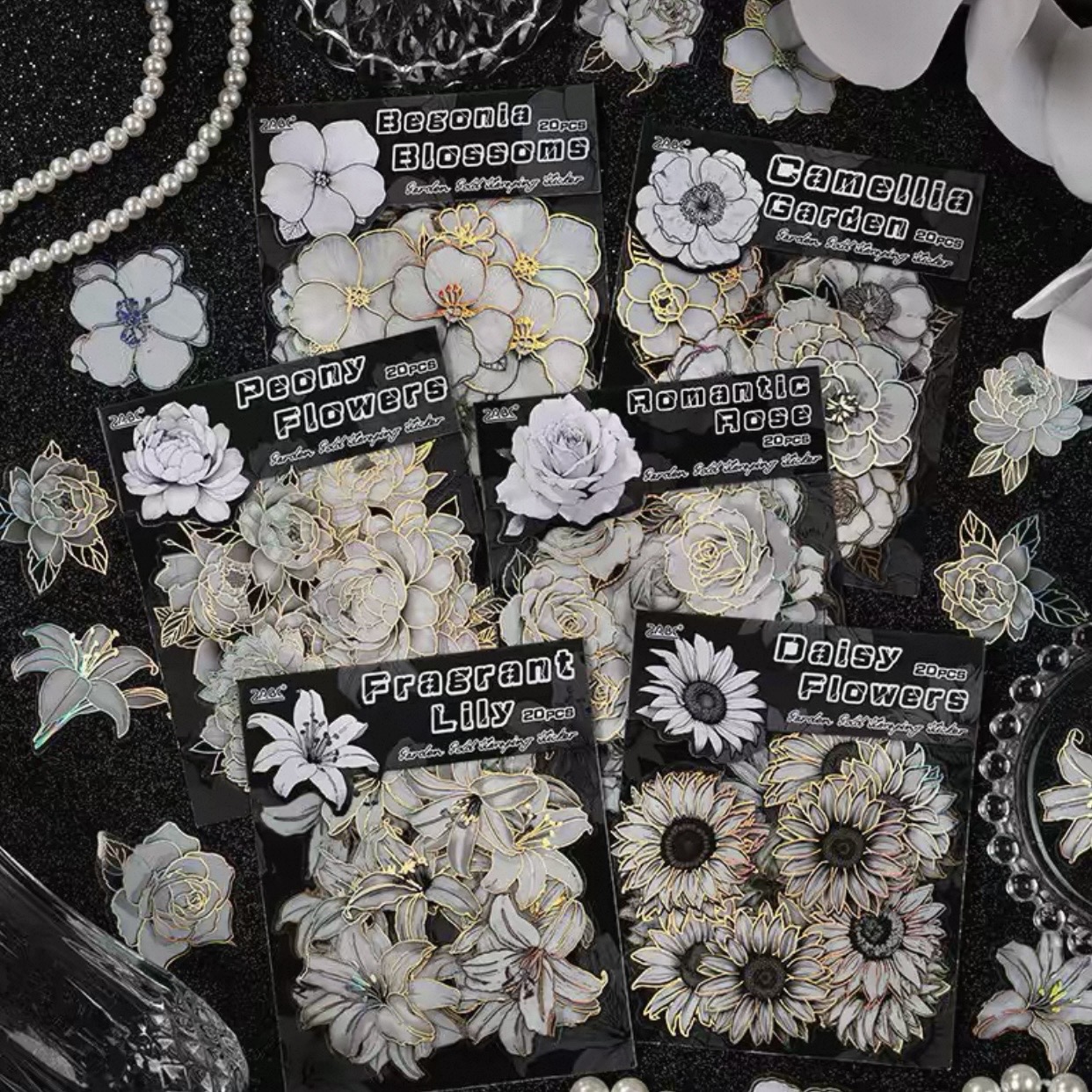
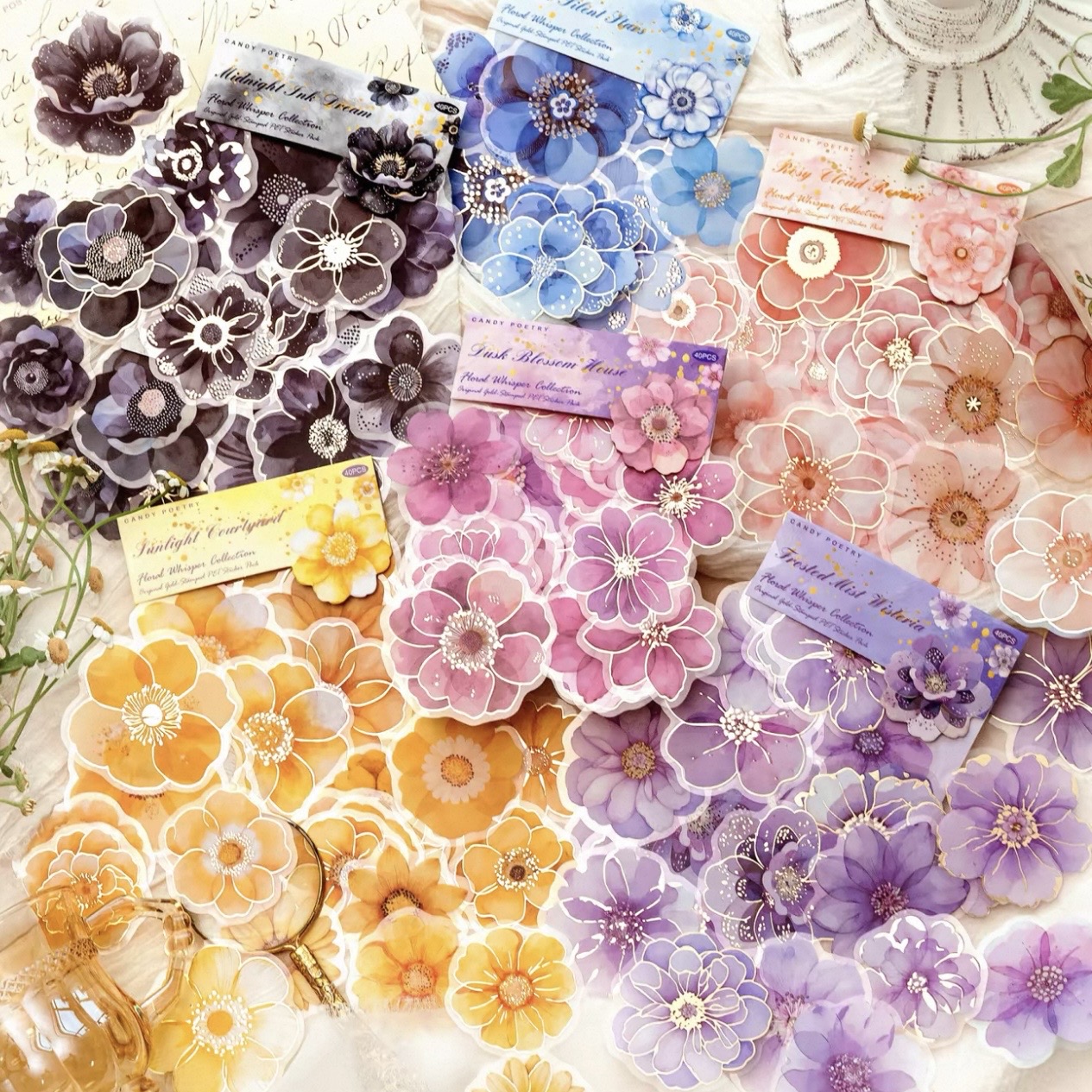
Custom stickers can be supplied as individual die-cut pieces, kiss-cut sheets or coordinated sets. They can carry brand graphics, packaging messages, decorative artwork and promotional designs.
Materials & adhesive
Paper suits many dry indoor applications. BOPP, PET and vinyl directions can be reviewed where handling, moisture or durability matter. Metallic and holographic materials create reflective effects.
Printing & finishing
CMYK artwork can be combined with white ink where supported. Lamination, varnish, foil and custom cutting are confirmed for the chosen material and print route.
What to include in your brief
Send the finished shape and dimensions, quantity per artwork, application surface, desired material, cut style and packing. Include the cut line and bleed if available.
Common questions
What is the difference between die-cut and kiss-cut stickers?
A die-cut individual sticker is cut through the label and backing to the finished outline. A kiss-cut sticker is cut through the face stock while leaving a larger backing sheet intact.
Are all film stickers waterproof or removable?
No. Water resistance and clean removal depend on the face stock, ink, protective coating, adhesive, surface and exposure. State the actual conditions and test the proposed construction.
Ready when you are
Share the application. We will help frame the label specification.