Production routesMatched to the specificationDigital, offset, flexographic, and finishing options are assessed around the job.
Textured & Embossed Labels
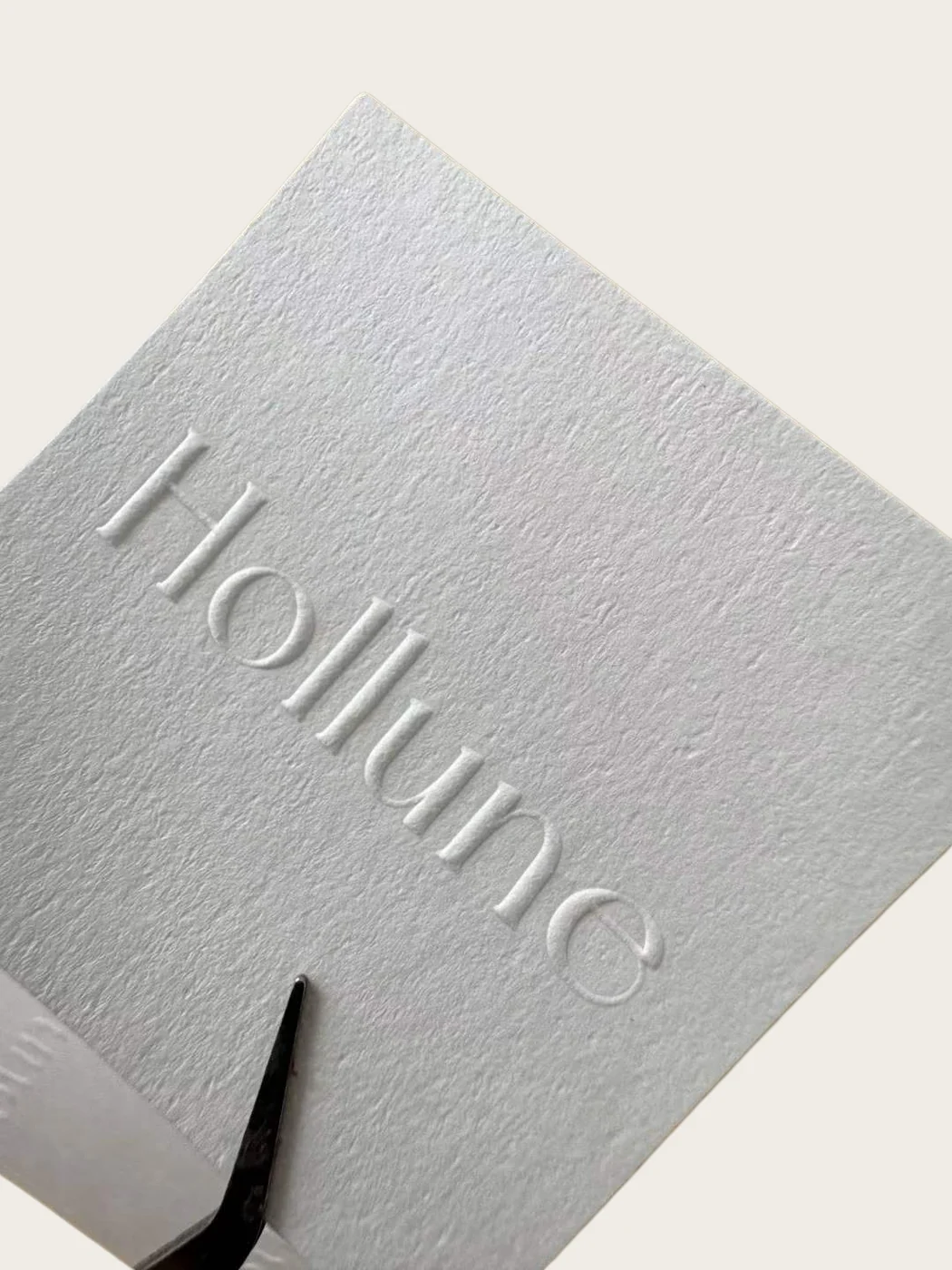
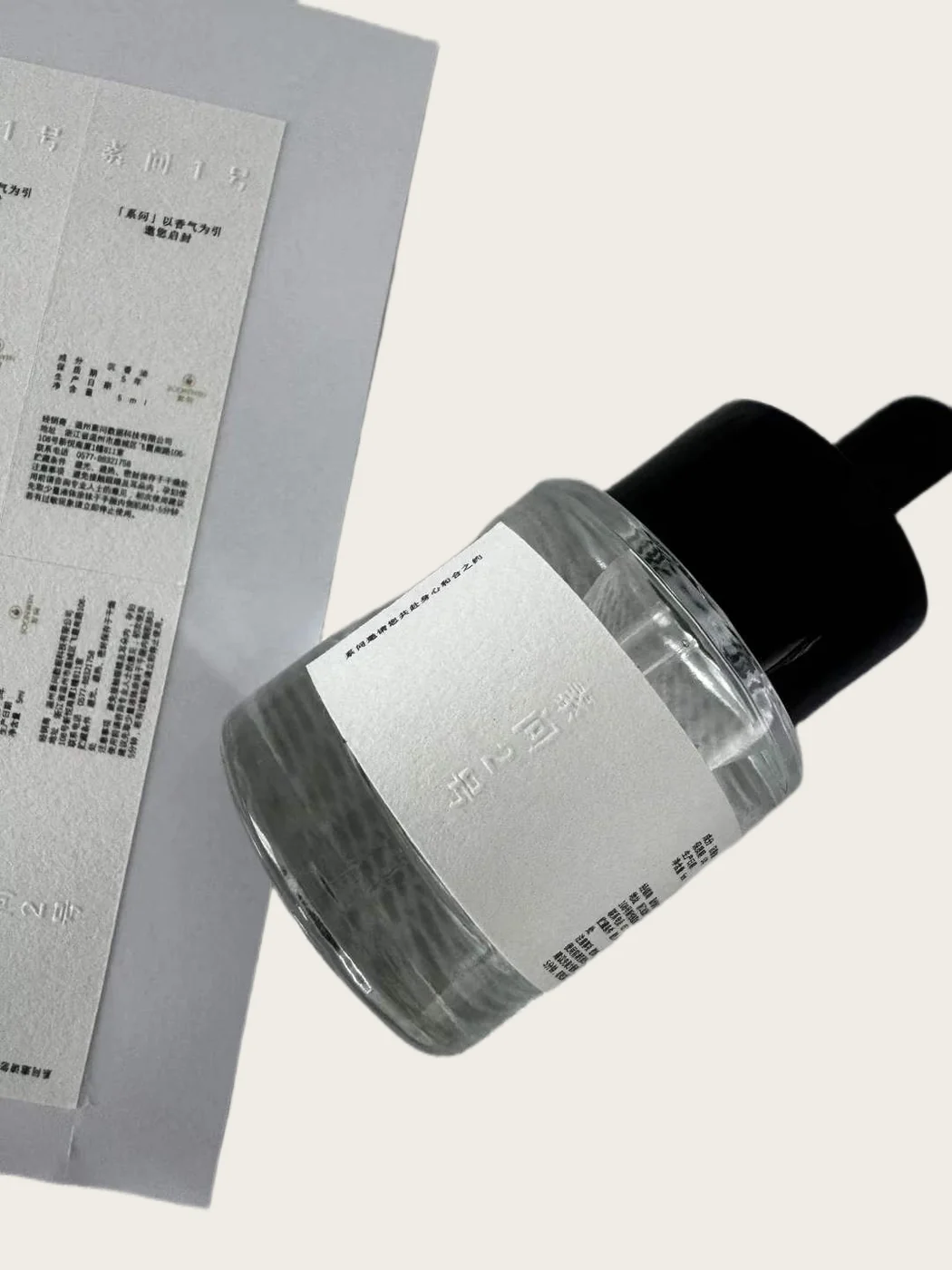
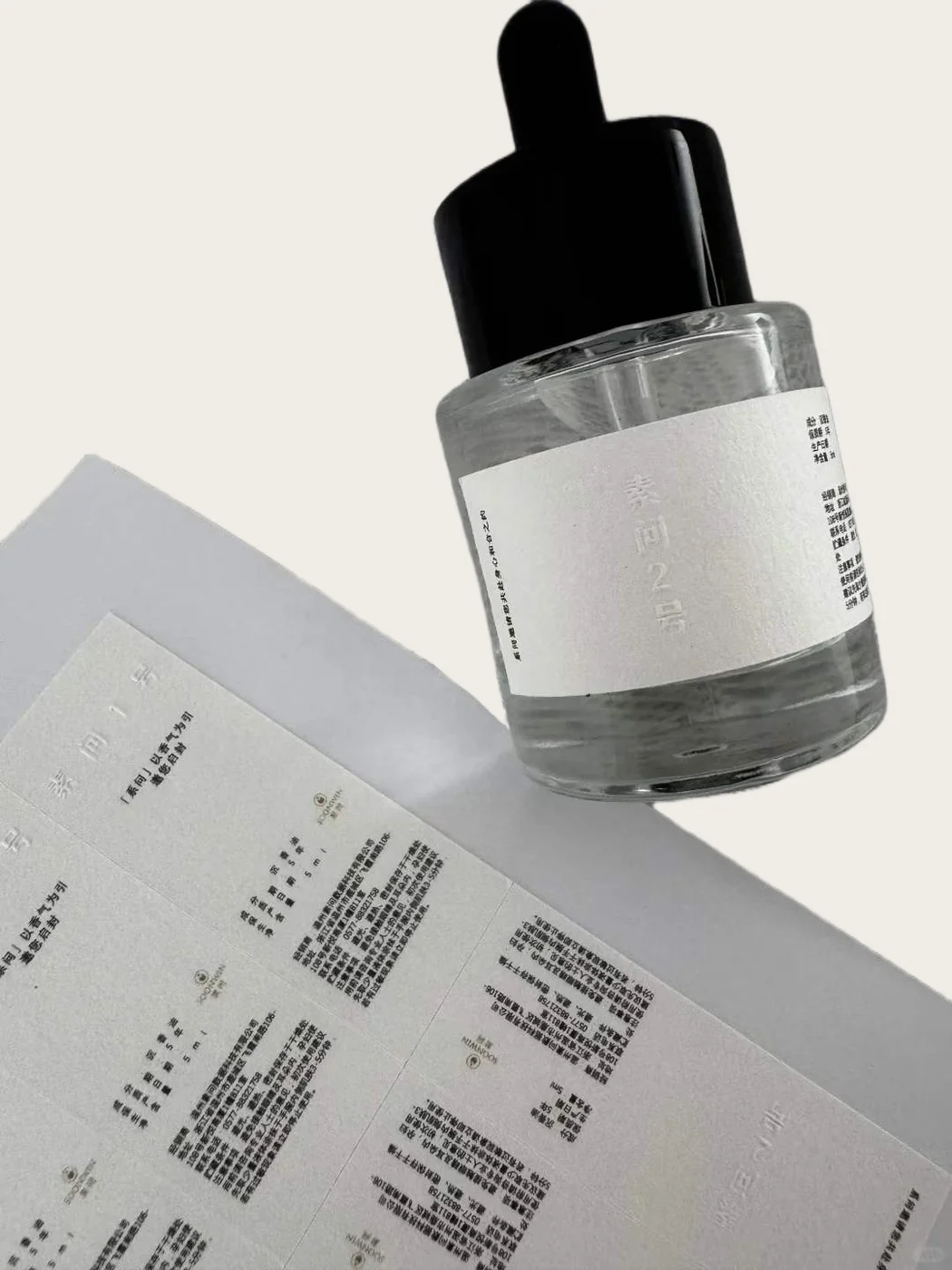
Textured face stocks and embossing or debossing can add tactile detail to the label. The achievable depth and fine detail depend on the artwork, material, tooling, and finished size.
Design the tactile effect with the material
Provide the artwork, label dimensions, package shape, preferred material direction, and reference effect. Tooling and sample requirements are confirmed after technical review.
Texture, embossing and debossing for tactile labels
Textured paper creates a tactile face stock, while embossing raises a design and debossing presses it below the surface. These effects can be considered separately or together.
Materials & adhesive
Textured, uncoated and other suitable papers are selected for the pack and desired feel. Stiffness, moisture exposure and container curvature affect material choice and adhesion.
Printing & finishing
Embossing, debossing, foil and selective varnish are assessed against material thickness, detail size and tooling. Fine type and deep relief may require artwork adjustment.
What to include in your brief
Send finished dimensions, quantity, paper reference, vector artwork and a separate map for raised or recessed details. Include the container and other finishing requirements.
Common questions
Is textured paper the same as embossing?
No. Paper texture belongs to the material surface. Embossing forms selected artwork into a raised relief using a separate process.
Can embossed paper labels be used in wet conditions?
Paper, adhesive and protection need to be selected for the actual exposure. Do not assume that a tactile paper label is suitable for prolonged water or refrigeration.
Ready when you are
Share the application. We will help frame the label specification.