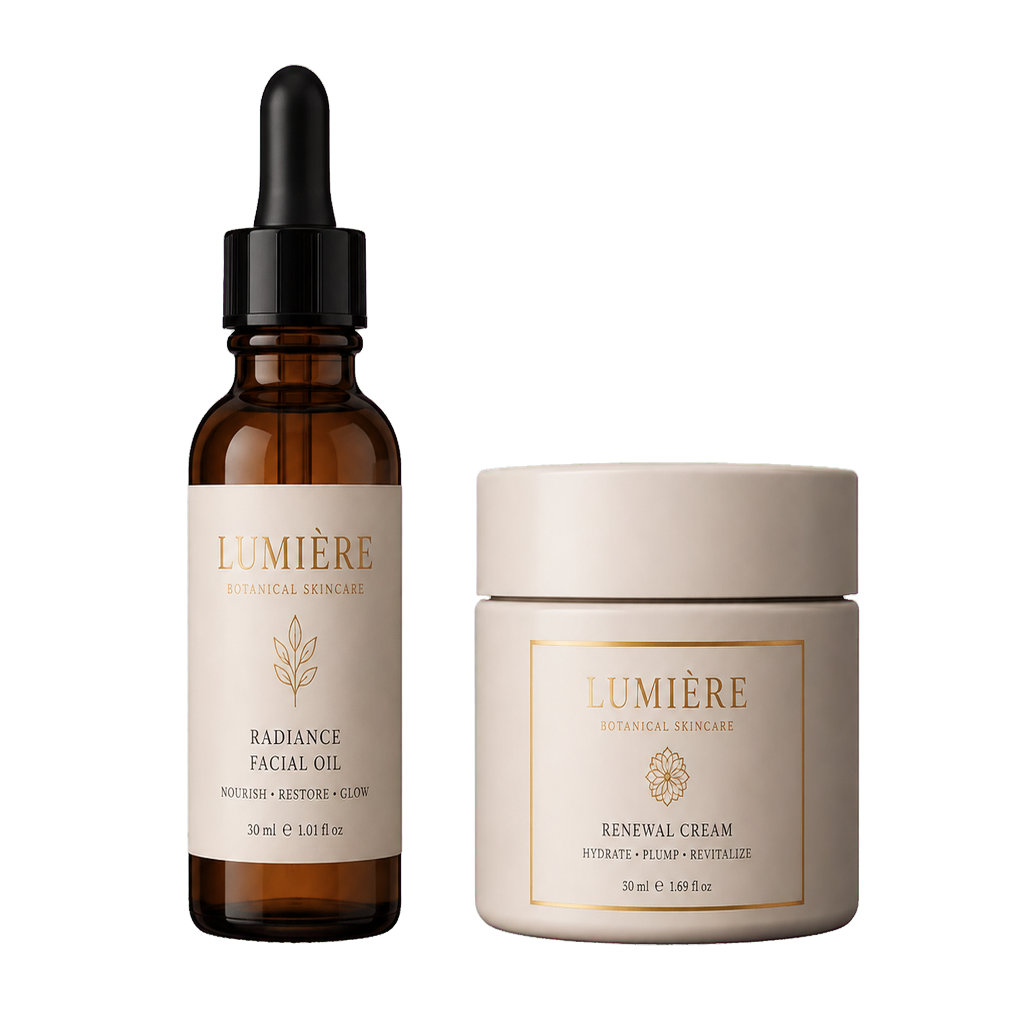
Beauty and personal-care labels often bring visual decisions and application decisions together. Start by describing the pack shape, label surface, artwork, handling conditions, and program profile.
Product directions shown in our sample library
Metallic and holographic bottle labels, clear-film constructions, textured paper, and short-run multi-SKU work are useful visual starting points. The final face stock, adhesive, protection, and finish are confirmed against the actual pack.
Questions to bring to the brief
What does the product packaging look and feel like in the intended retail setting?
What material, adhesive, finish, and application conditions need to be considered?
How many SKUs, artwork versions, or change cycles are expected?
Specify labels for cosmetics and personal care packaging
Cosmetic labels need to suit the bottle or jar, decoration and handling. Clear films, metallic effects, textured papers and extended-content labels offer different ways to present a product range.
Materials & adhesive
Clear or white films can be assessed for wet handling and flexible packs. Textured papers may suit selected rigid containers. Match adhesive to the actual glass, plastic, coating and curvature.
Printing & finishing
Use white ink where graphics need opacity on clear or metallic stock. Foil, spot UV and embossing can be reviewed separately. Small digital orders use CMYK or CMYK plus white.
What to include in your brief
Provide container samples, label sizes, quantities per SKU, artwork versions and exposure to water, oils or alcohol. State panel count if instructions require a multi-layer label.
Common questions
Can one label material cover an entire skincare range?
Different containers and product formulas may need different constructions. Group common specifications, then check any changes in surface, shape or exposure.
Can labels carry multilingual instructions?
Yes. Multi-layer or booklet constructions can add information space. Supply approved text, panel layout and opening requirements for review.